
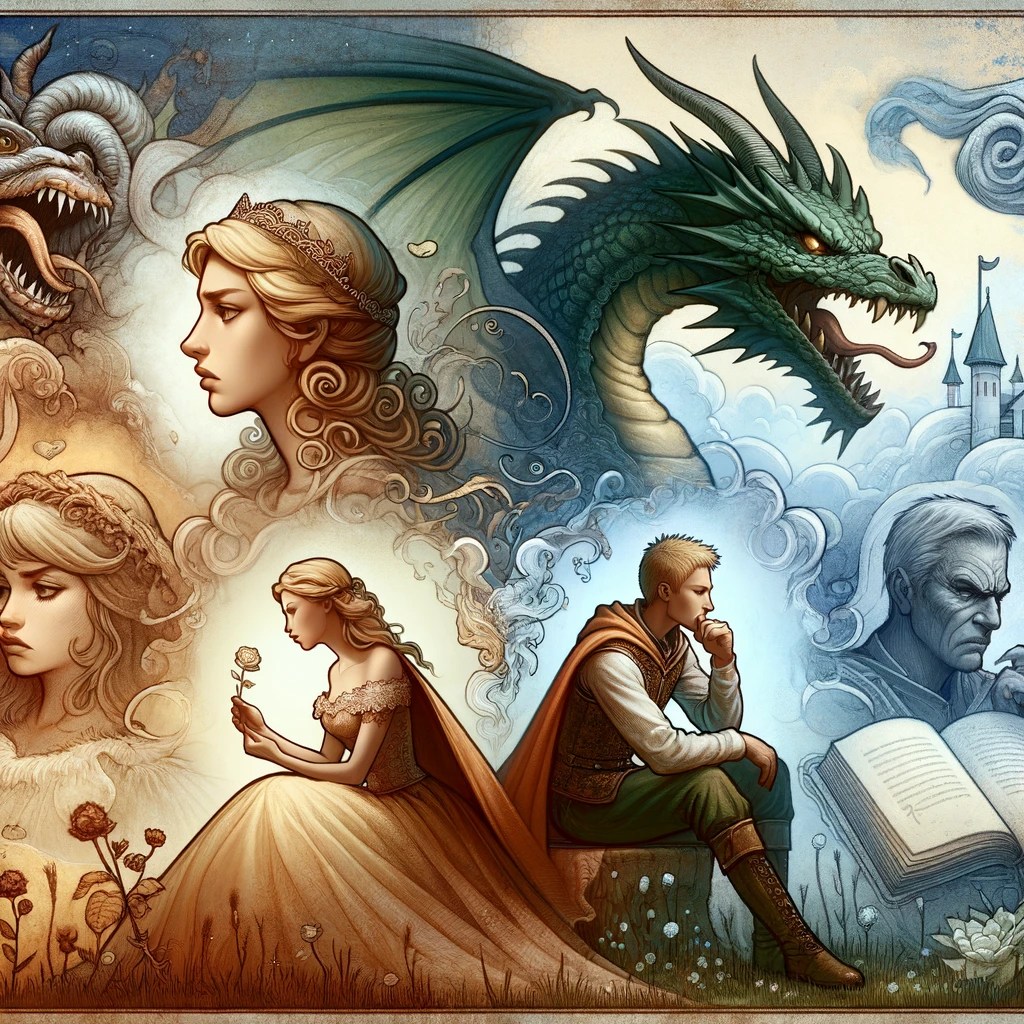
Ken Cloke on how every dispute you complain about is actually a fairy tale:
“Conflict stories are also fairy tales, in which the storyteller becomes a princess (victim) describing the actions of a dragon (perpetrator) to someone they hope will become their prince (rescuer).
In the fairy tale:
- the princess is primarily responsible for expressing feelings and being emotionally vulnerable,
- the prince is responsible for coming up with solutions, and
- the dragon is responsible for directing attention toward problems that might otherwise be unnoticed.
In order to elicit sympathy and support from the listener, the storyteller must be seen as powerless in the face of evil. The action of every conflict story is therefore to trade power for sympathy.”
(The Crossroads of Conflict)
I feel like “knowing is half the battle” and just reading that passage should hopefully change every conflict story I ever tell.
Emerging from the fairy tale (which Ken calls “mediation”) means:
- Offering empathy and power to everyone
- Showing each person how they play all three roles.
- Refusing to become a rescuer
- Asking the princess to accept responsibility for part of the problem
- Helping the dragon become more open and vulnerable
- Encouraging everyone to participate in solving the problem.
(For a more detailed discussion of the narrative structure of conflict stories, see Kenneth Cloke and Joan Goldsmith, Resolving Personal and Organizational Conflicts: Stories of Transformation and Forgiveness)
 Ankur Shah Delight: Community and Conflict